Modern day life depends on the complex network of pipes and fixtures that supply water to all kitchen appliances, like showers, sinks, plumbing knowledge guide bathtubs and toilets. It also takes wastewater away effectively and without creating sewer backups or odors. If any part of this process fails, serious issues could develop. The main thing you need to be aware of when it comes to plumbing in your house is knowing what to search for and understanding how the system operates.
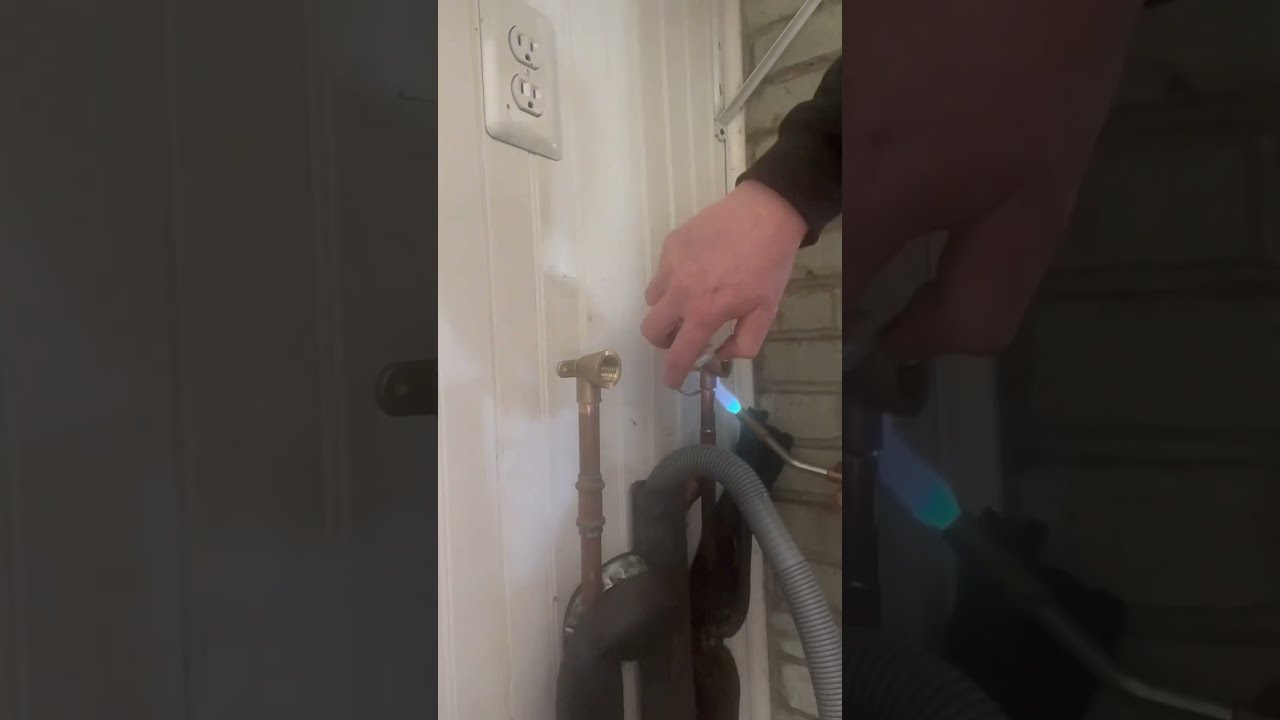
The plumbing system inside your house is mostly hidden beneath floors or behind walls. It is essential to understand exactly what's happening. The plumbing systems are split into two distinct parts that are drainage and supply. Supply system is accountable for the flow of water that is fresh from the city water supply or well to the home. Drainage system is the drainage system that sends water out to the sewer or septic tanks.
"The "water trap", which is found within every fixture, plays a key part of your drainage system. The downward-angled pipe prevents water from entering the fixture. The trap is usually covered with the water needed to keep rodents from the drainage. These traps join with a number of branch drain lines that eventually lead back to the drain main line.
One of the best ways to detect a plumbing leak is to turn off the water faucets at your house and ensure that the dishwasher and washing machine aren't in operation. Watch your water meter and look for changes in the reading. This could indicate that there's a plumbing Emergency Advice issue there.